Lions and cheetahs are both present in Amboseli National Park, but they deliver completely different safari experiences — and they do not appear with the same frequency. Understanding this comparison before you visit helps you set realistic expectations and choose which predator to build your game drive strategy around.
The short answer: lions are the more reliable target and the more central predator in the Amboseli ecosystem. Cheetahs are a compelling possibility but a rarer one — more surprising when they appear, but not the animal you base your whole safari around.
Lions in Amboseli: What to Expect
Amboseli’s lion population sits at approximately 40 to 50 individuals — the highest level recorded in the park in over a decade. That number is meaningful: it means resident prides with established territories, predictable movement patterns, and guides who know where to look.
Lions in Amboseli use the ecosystem’s distinctive features to their advantage. The swamp edges — particularly around the Enkiama and Longinye swamps — concentrate prey throughout the year, and lion prides follow the prey. The open shortgrass plains that Amboseli is famous for make lion sightings highly visual: you see them from distance, watch them move, and track social dynamics across the pride over the course of a game drive.
What lion sightings in Amboseli typically look like:
Lions spend 18 to 20 hours per day resting. Sightings are most often of resting adults or relaxed prides with cubs — impressive in their own right, but not always active. Dawn and dusk are the high-activity windows: lions finishing or beginning a hunt, returning to shade, or calling across the plains at first light with Kilimanjaro visible in the background. This combination — lion pride calling at dawn, snow-capped mountain in the background — is one of the most distinctive photographic moments in Kenya safari.
Hunt probability: Watching an actual lion hunt is uncommon even with frequent sightings. A kill being shared among a pride, cubs engaging with a returning hunter, or the tense pre-hunt behaviour as a pride begins to move at dusk — these are the memorable moments that go beyond “we saw lions resting.”
Cheetahs in Amboseli: What to Expect
Cheetahs are present in Amboseli and the wider ecosystem, and the park’s open habitat suits them exceptionally well. The shortgrass plains that extend across the park give cheetahs the long sightlines they need to scan for prey and execute their speed-based hunting technique.
However, cheetah sightings in Amboseli are less consistent than lion sightings. The cheetah population is smaller, their territories are larger relative to the park’s area, and they do not concentrate around swamp edges the way lions do. A cheetah sighting in Amboseli is genuinely special — not because cheetahs are absent, but because encountering one in such photogenic open terrain is a less predictable outcome than a lion sighting.
What cheetah sightings in Amboseli typically look like:
When you do find a cheetah in Amboseli, the experience is distinct. The open plains allow you to watch the entire sequence — the elevated scanning position on a termite mound or low rock, the calculated stalk through short grass, and if the conditions are right, the explosive sprint at 70 km/h. Female cheetahs with cubs add a different dimension: teaching behaviour, the cubs attempting clumsy practice hunts, the mother’s alertness to lion threats.
The minimalist aesthetic of a single cheetah on Amboseli’s open plains — with the mountain visible and nothing between you and the animal — is one of the most sought-after wildlife photography compositions in Kenya.
Head-to-Head: Lions vs Cheetahs in Amboseli
| Factor | Lions | Cheetahs |
|---|---|---|
| Sighting reliability | High | Moderate |
| Population size | 40 to 50 | Smaller, more dispersed |
| Habitat | Swamp edges, open plains | Open grassland |
| Active hours | Crepuscular (dawn and dusk) | Daytime |
| Social structure | Pride (social, watchable dynamics) | Solitary or small family groups |
| Watchable hunting | Occasional | More common when found |
| Photography style | Pride storytelling, social scenes | Open-country elegance, speed potential |
| First-timer appeal | Very high | High (when encountered) |
| Best for | Reliable predator experience | Rarer, more elegant encounter |
Which Predator to Build Your Safari Around
For first-time visitors: Build around lions. They are the more realistic target, they deliver social behaviour that is easy to appreciate, and Amboseli’s open terrain makes them visually accessible even for guests who are new to reading wildlife. Treat cheetahs as the exciting bonus — they may appear, and when they do the sighting is memorable, but they should not be the primary expectation on a first Amboseli visit.
For wildlife photographers: The choice depends on your visual style. Lions offer layered storytelling — pride dynamics, cubs, social tension, and the iconic Kilimanjaro backdrop. Cheetahs offer something harder to replicate: the open-country minimalism of a fast, elegant predator in a landscape with no clutter. Many photographers go for both on the same trip, with morning drives targeted at swamp-edge lion territory and mid-morning drives covering the open plains for cheetah.
For repeat safari travellers: Returning visitors who already have extensive lion sightings from other Kenya parks often find cheetah encounters the more compelling target in Amboseli. The open-country sighting style is qualitatively different from cheetah encounters in denser vegetation. Amboseli’s terrain makes the sighting feel more complete and more photogenic.
For short 2-night visits: Prioritise lions. With limited game drive time, targeting the more reliable predator gives the best chance of a strong predator sighting. If a cheetah appears on the drive, it is a significant bonus — not the baseline expectation.
Habitat and Timing: Where and When to Look
Finding lions in Amboseli:
- Swamp edges (Enkiama, Longinye) throughout the year
- Open shortgrass plains where prey concentrates
- Acacia shade during midday hours
- Active at dawn and dusk; drives at these times maximise hunt-related behaviour
Finding cheetahs in Amboseli:
- Open shortgrass plains, particularly in the eastern and southeastern sections
- Elevated termite mounds or low features where cheetahs scan for prey
- Mid-morning (9am to 11am) when cheetahs are most actively hunting
- Short-grass conditions (dry season, January to February) improve visibility significantly
Seasonal notes: Both species are present year-round. The dry seasons (January to February, June to October) produce the most productive sightings — shorter grass means longer sightlines and more visible predator activity. The wet seasons bring green landscapes and excellent photography backgrounds but can make locating predators harder.
Amboseli in the Wider Big Cat Picture
Amboseli is not the strongest Kenya park for big cat variety — that distinction belongs to the Masai Mara, where lion, leopard, and cheetah are all present and frequently sighted. Amboseli’s predator offer is two cats, not three: leopard sightings are rare in Amboseli’s open habitat, and the park is not the destination to target if leopard is a priority.
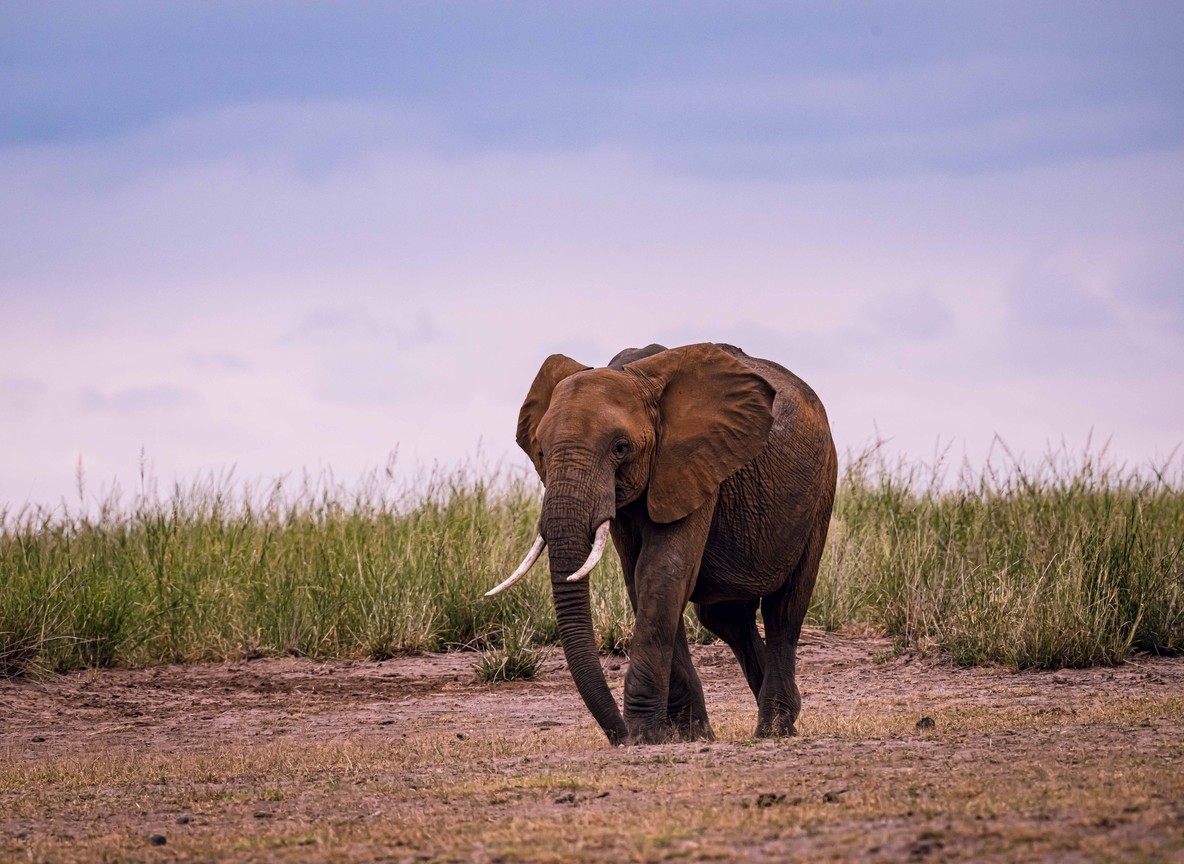
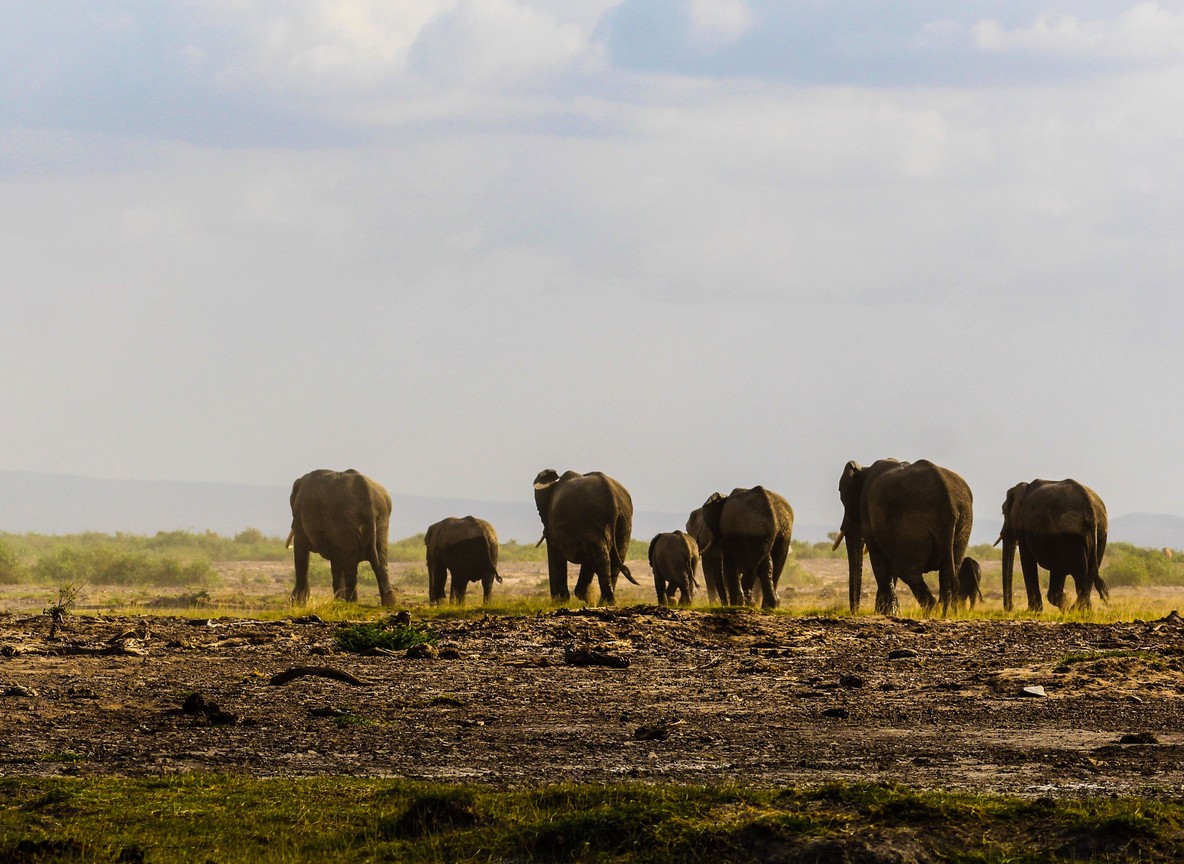
What Amboseli offers instead is context that the Masai Mara cannot — the elephant herds, the Kilimanjaro backdrop, and the unique combination of swamp, open plain, and predator activity in a compact ecosystem. The lion and cheetah sightings happen against this backdrop, which changes the character of the sighting significantly.
For travellers comparing Amboseli with the Masai Mara for big cat viewing, touringinsights.com/masai-mara-vs-amboseli-safari-guide covers the full comparison across all wildlife, terrain, and logistical factors.
Have questions about this itinerary or destination? Get answers from a safari specialist before you commit.
Inquire More